On the territory of the Almaty state nature reserve, there are three ecological trails. They provide an excellent opportunity to enjoy the beauty of nature as well as to explore the rich plant and animal world of the reserve. Each trail is valuable for its unique features and picturesque natural landscapes.
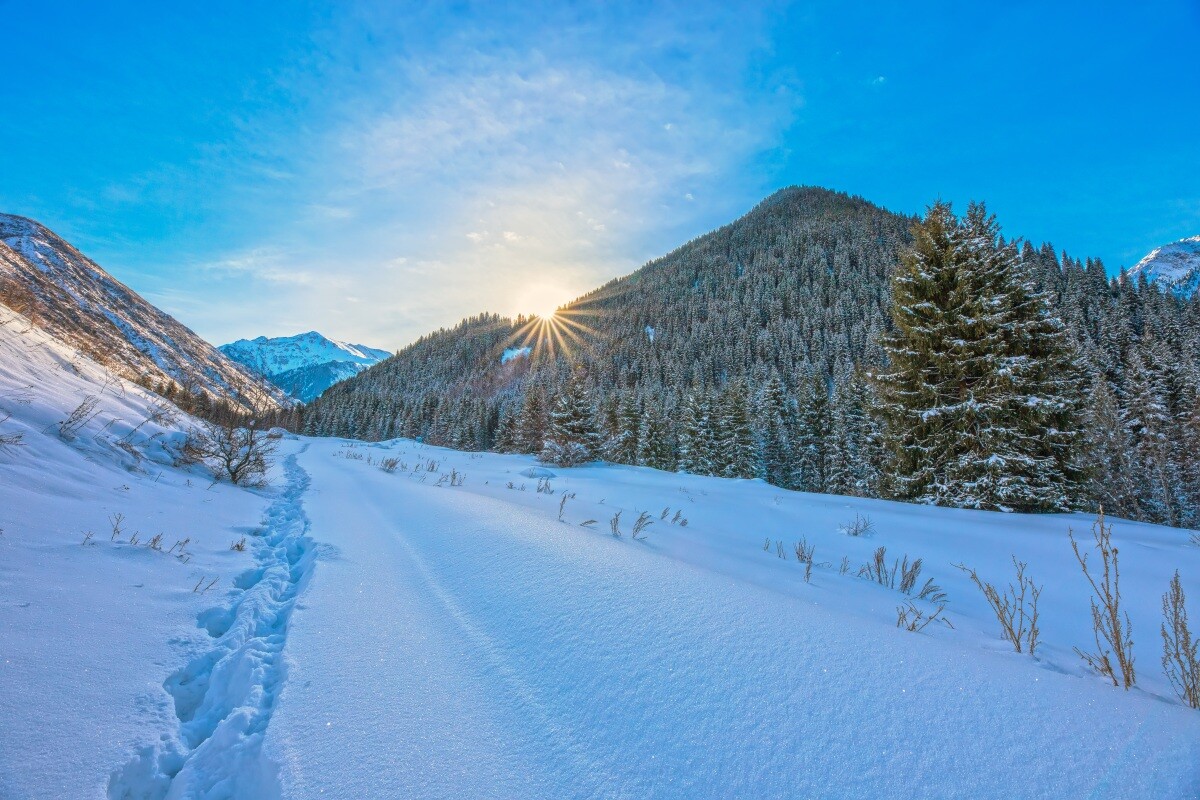
The ecological trail “Right Talgar” has a length of 10 km. This route passes through scenic mountain gorges. Along the way, one can see birch, aspen, and dense spruce forests. Roe deer, marals, mountain goats, squirrels, badgers, and bears inhabit the area. Visitors may also observe golden eagles, lammergeiers and Himalayan vultures soaring in the sky. The trail ends at the confluence of two rivers.
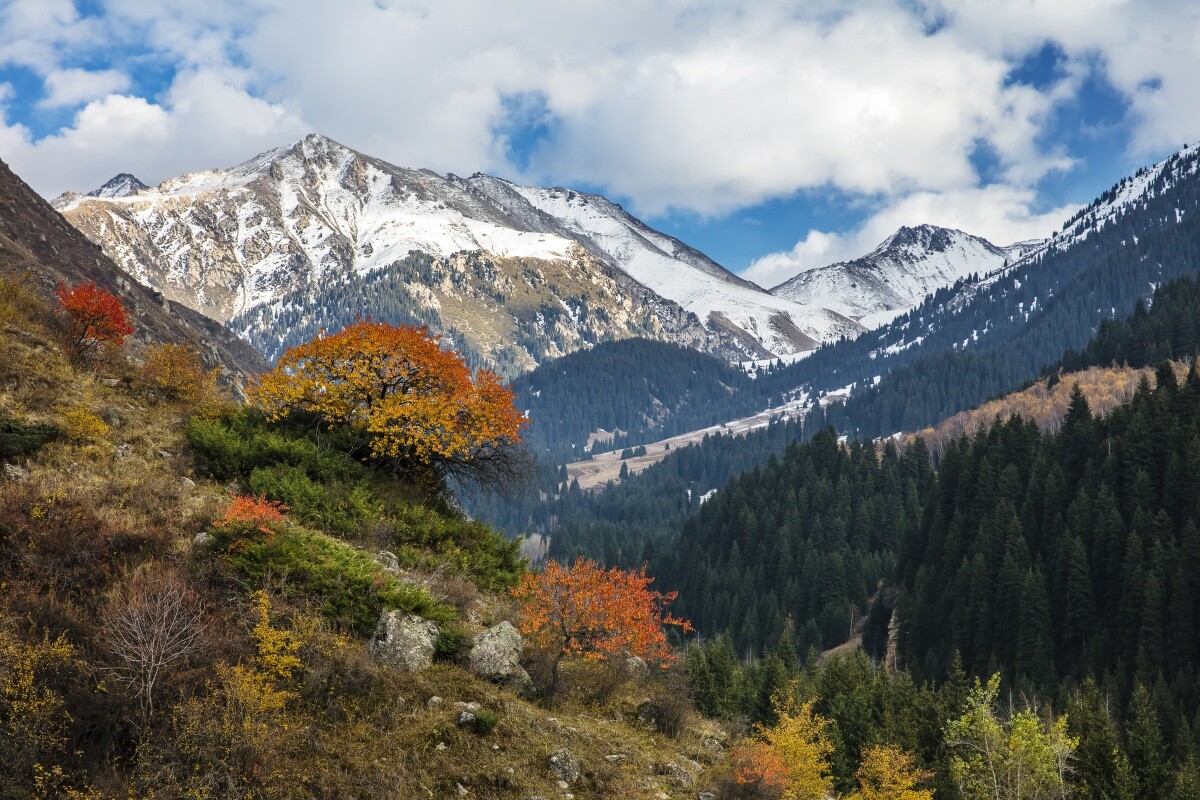
The ecological trail “Left Talgar” is 6 km long. Despite its relatively short length, it is notable for its natural diversity. The trail runs along the Left Talgar River, which has a rapid current and icy water. Crossing to the opposite bank is impossible. Here, one can find endemic and rare plant species. Animals such as golden eagles, pheasants, partridges, lynxes and bears live in this area.
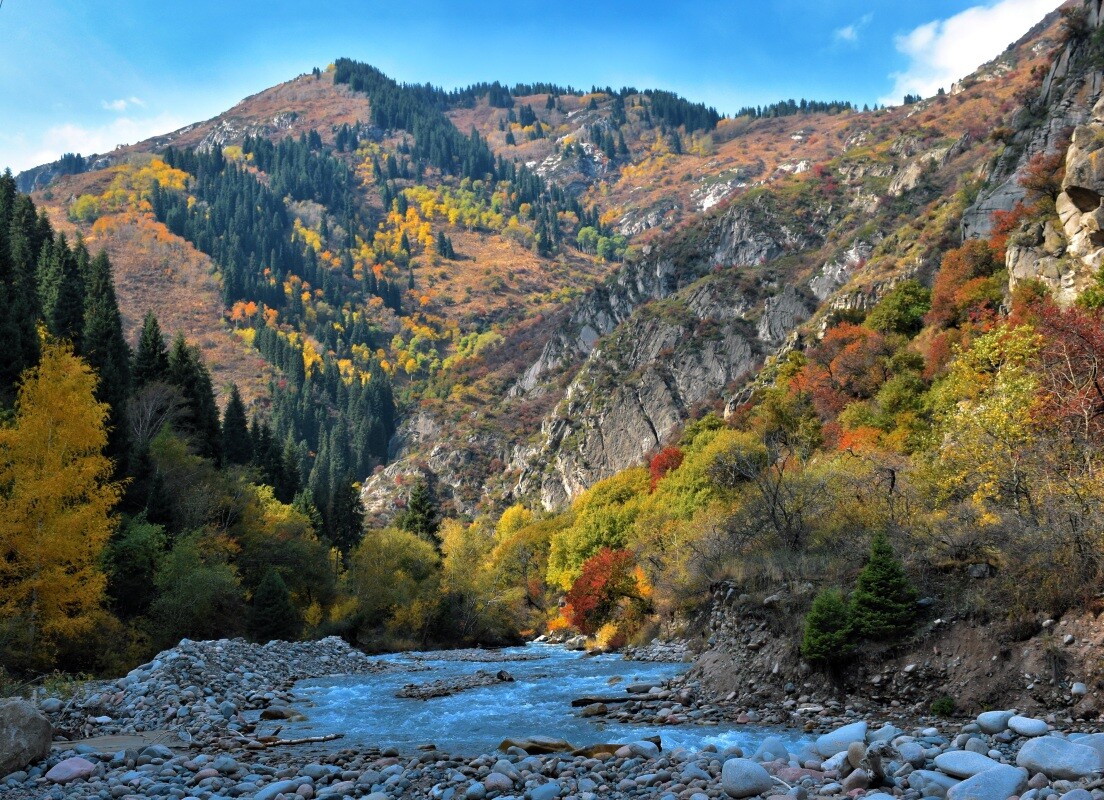
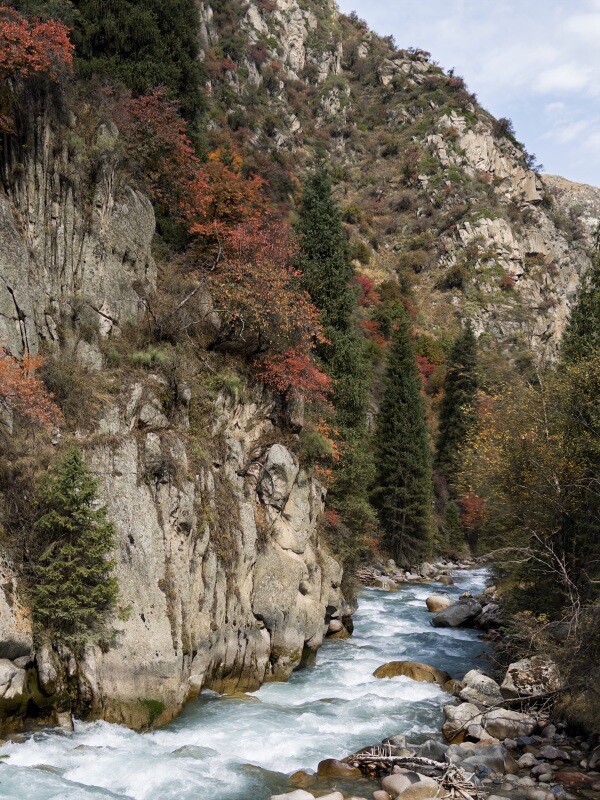
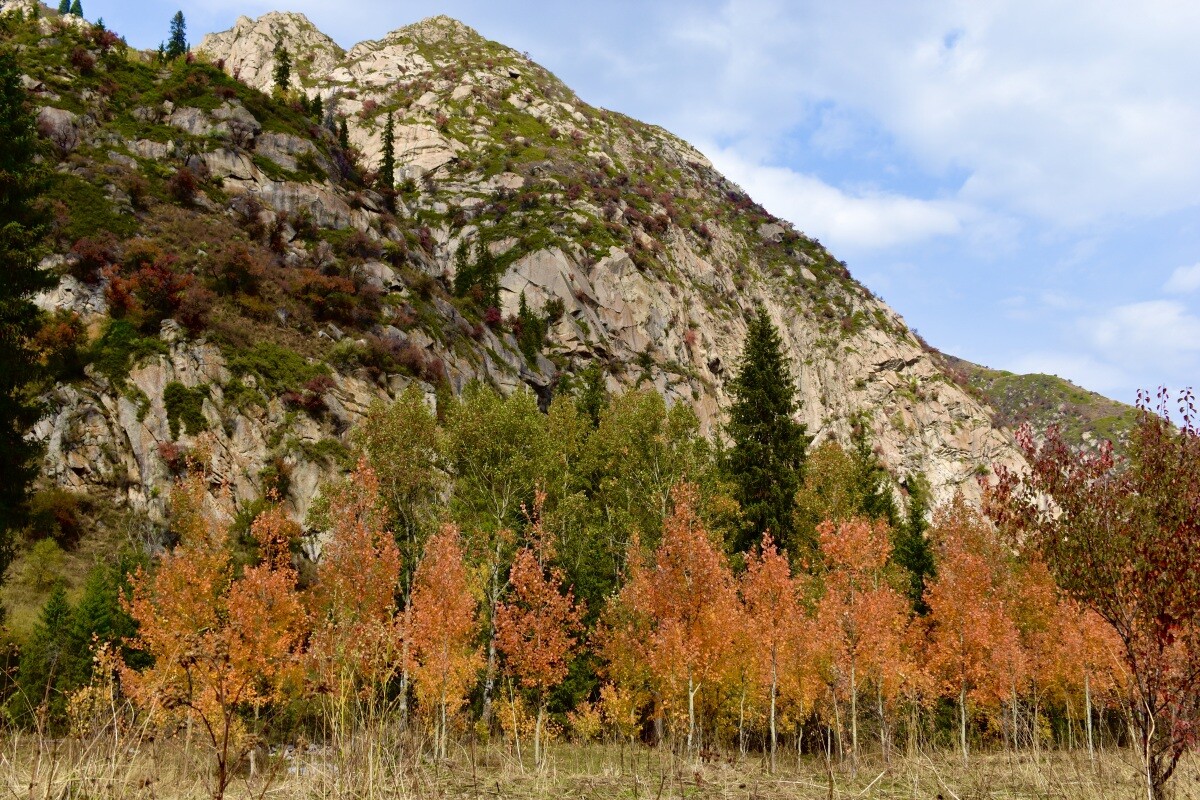
The ecological trail “Lake Issyk” stretches for 9.6 km. This route leads visitors to the famous Lake Issyk. On the way, picturesque mountain views and green forests unfold. The transparent waters of the lake and the surrounding natural landscapes leave unforgettable impressions. The trail ends at a dam built to protect against mudflows. Today, this dam plays a crucial role in ensuring the safety of the city of Issyk from mudflow hazards. For tourists visiting the Issyk Gorge, it is also known as a historical and engineering landmark.
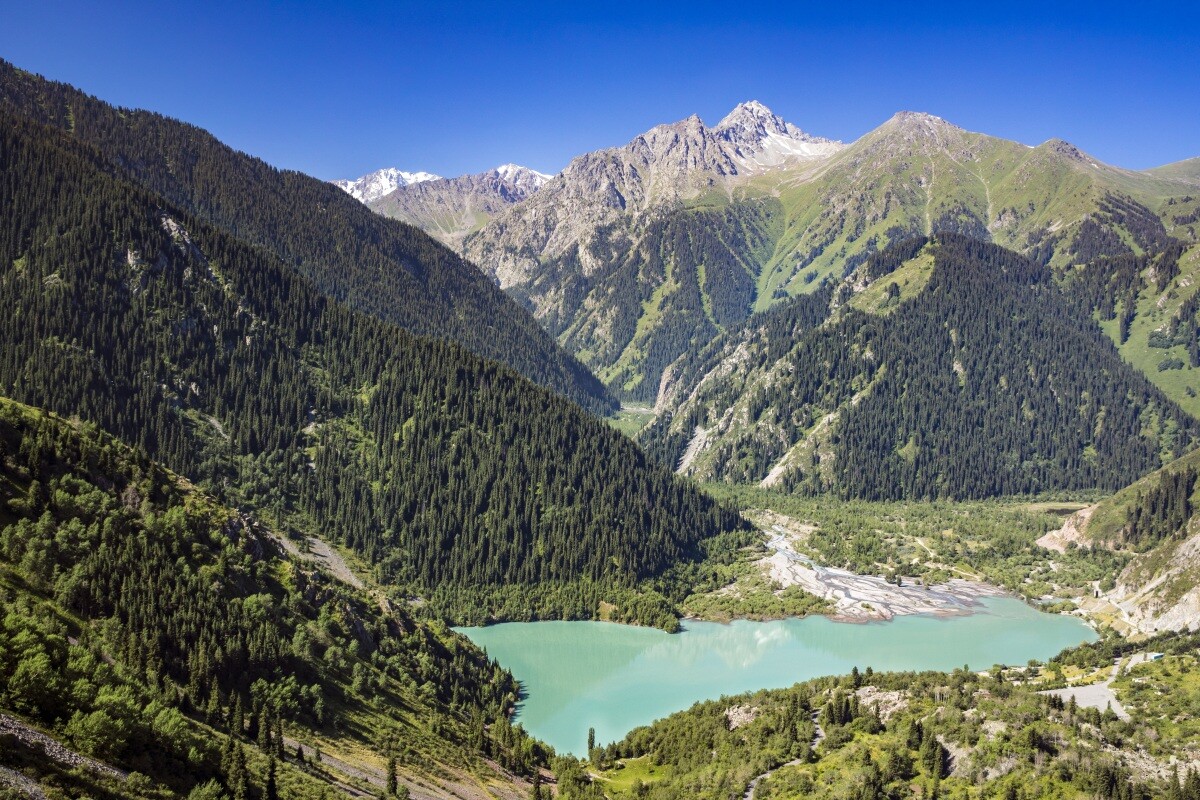
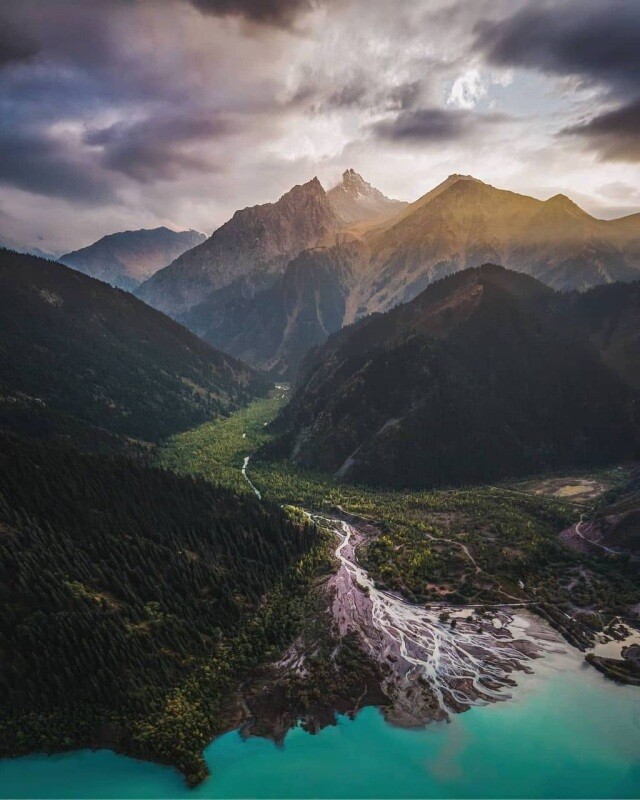
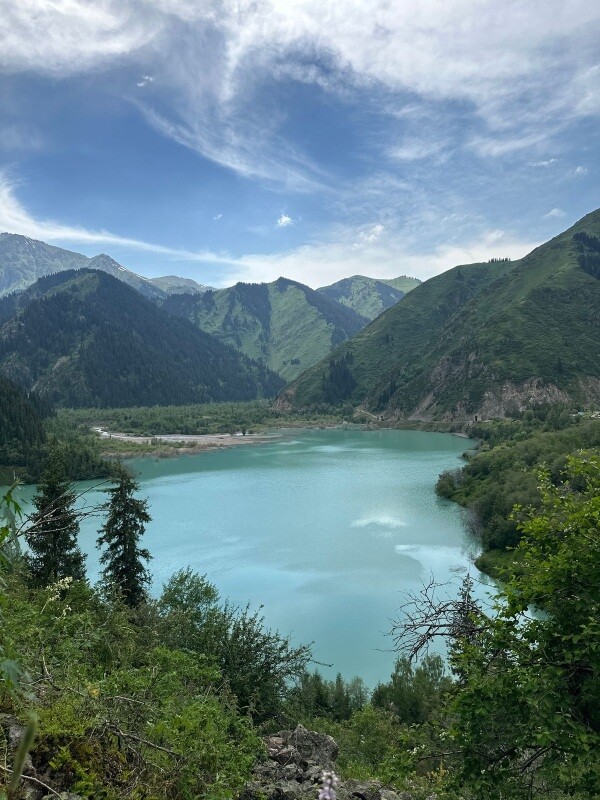
These ecological trails give visitors the opportunity not only to breathe fresh air and admire the beauty of nature but also to gain valuable knowledge about the flora and fauna of the reserve.
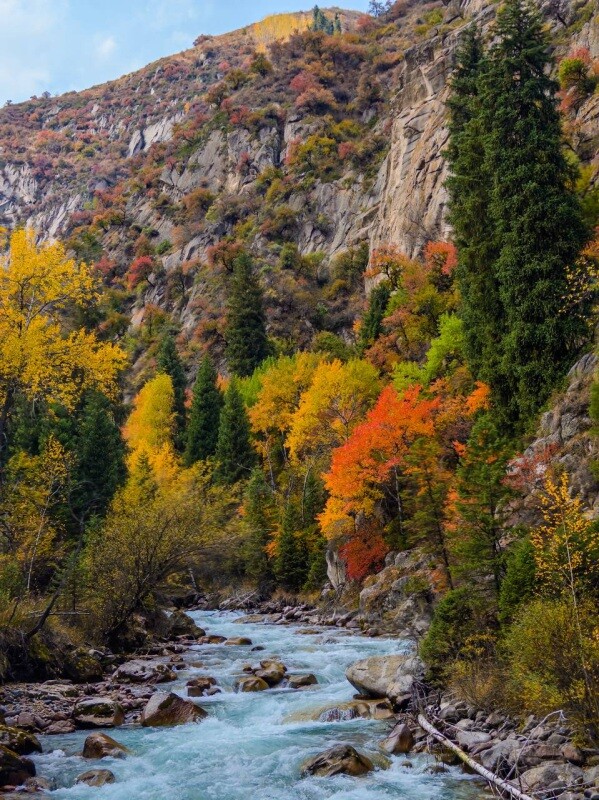
In the Almaty Reserve, there are several ecological routes that help visitors get acquainted with the nature of the Zailiysky Alatau ridge. Perhaps the most picturesque and unique of them is the «Monakhovo Gorge», or simply «Monashka». The Monakhovo ravine merges with the Right Talgar Gorge at an altitude of about 1,400 meters above sea level. It got its name in honor of the Orthodox monks who hid here in the 1920s. In the 1920s–1930s, church life in Alma-Ata went through difficult upheavals. Some of the clergy accepted Soviet power, while others opposed it. Monks and hieromonks, subjected to arrests, retreated into the mountains of the Zailiysky Alatau, where they established hermitages in the Aksai Gorge, Medeu, and later in Talgar. After the 1921 mudflow, the Medeu hermitage was abandoned, and the monks moved to the hard-to-reach Talgar mountains. There they found a narrow, deep canyon distinguished by a special atmosphere and beauty. The entrance to the cave, where their church once stood, has been preserved to this day. The Monashka Gorge resembles a canyon with almost sheer walls of bare rocks, slopes with overhanging spruces, a small cave, and beautiful waterfalls. The whole route takes about an hour to an hour and a half. At first, an inconspicuous trail leads to the bank of the Monashka River. This small river flows through the entire Monakhovo Gorge. Its water is crystal clear both in winter and summer, and it can and even should be drunk. The water has healing and general tonic properties. The trail runs along the river, crossing from bank to bank many times, but fortunately, the river is not wide. Slowly moving along the gorge, groups of visitors often stop to listen to the guide and capture the magnificent views. The air is transparent and fresh, sometimes mixed with the aroma of mint and other mountain herbs. Wild strawberries and raspberries grow right along the path—it’s hard to resist tasting the berries. Squirrels can be spotted in the spruces, and the blue whistling thrush nests here. The excursion ends at a waterfall, falling in two cascades into a hollow filled with huge boulders. In this place, the rocks converge, forming cornices.
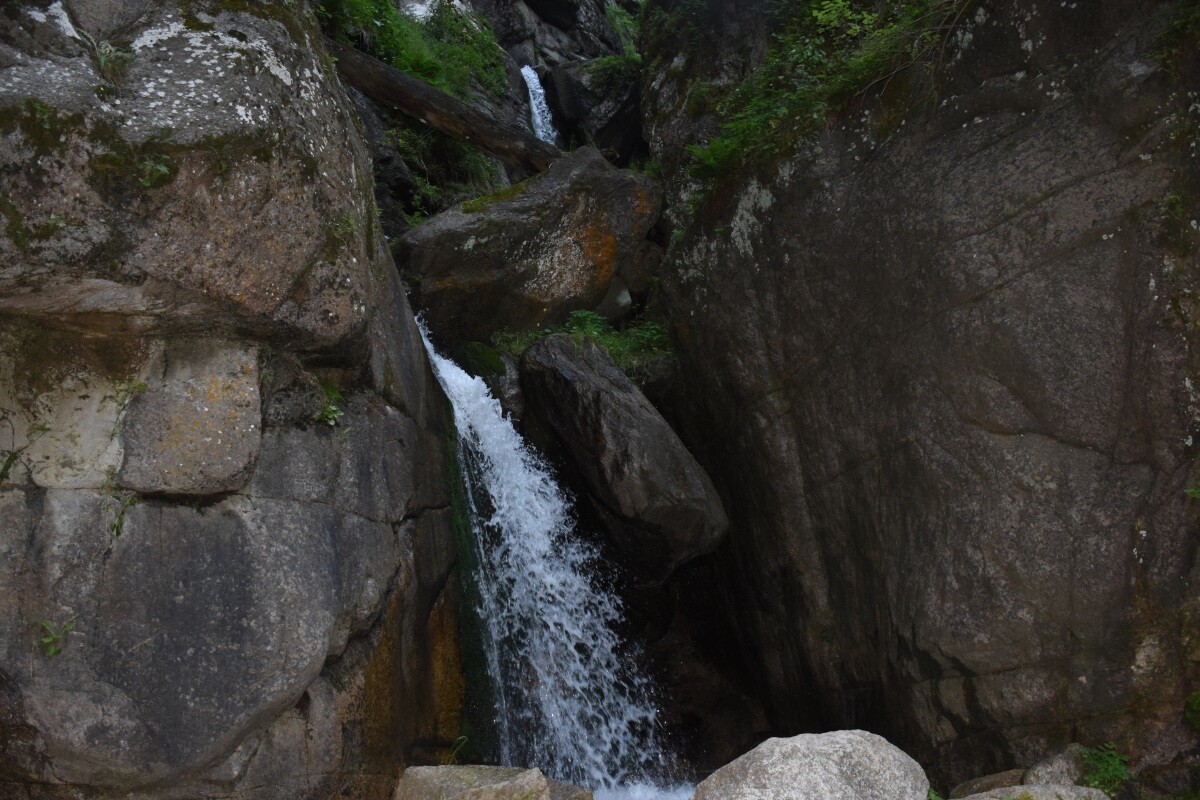
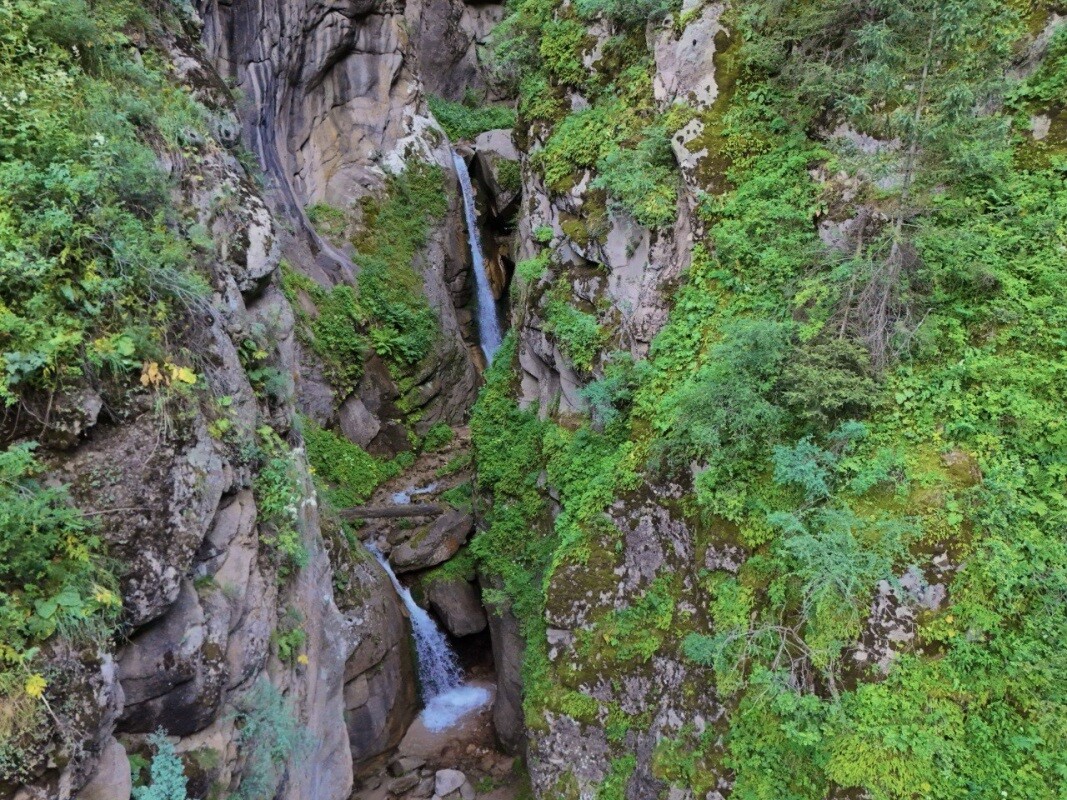
 UNESCO/MAB
 Ministry of Ecology and Natural Resources of the Republic of Kazakhstan
 Committee for Forestry and Wildlife of the Ministry of Ecology and Natural Resources of the Republic of Kazakhstan