
Spotting a snow leopard, a lynx, or other rare wildlife in their natural habitat is a remarkable experience. Thanks to camera traps, however, scientists can observe these animals without disturbing their natural environment.
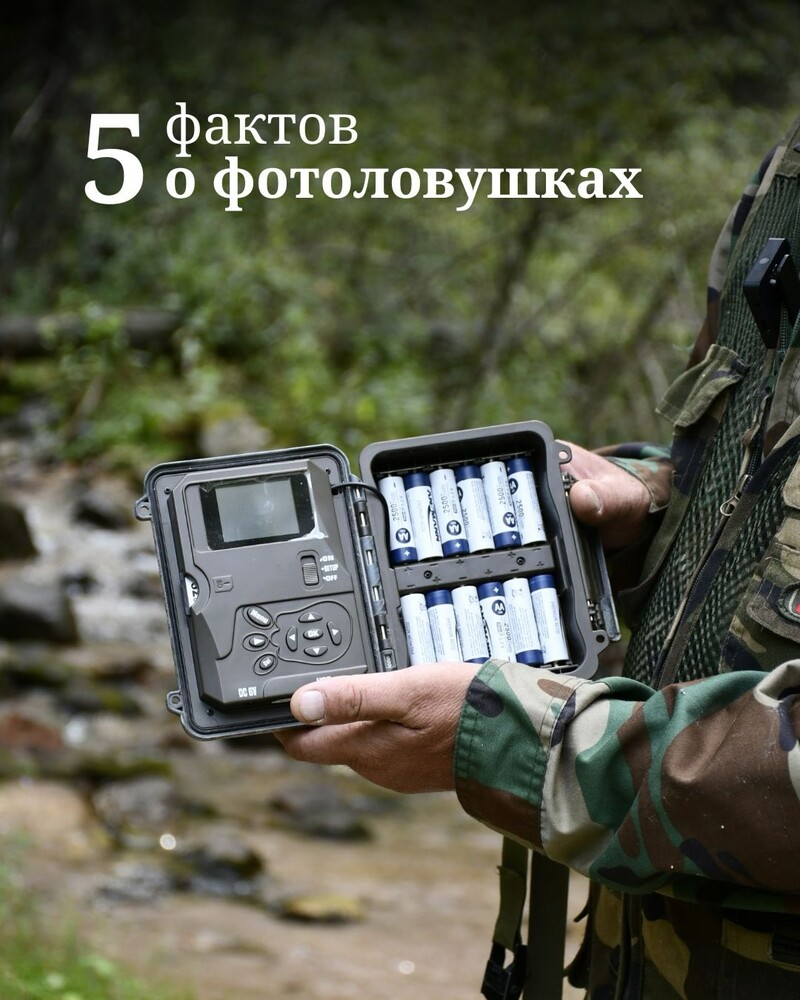
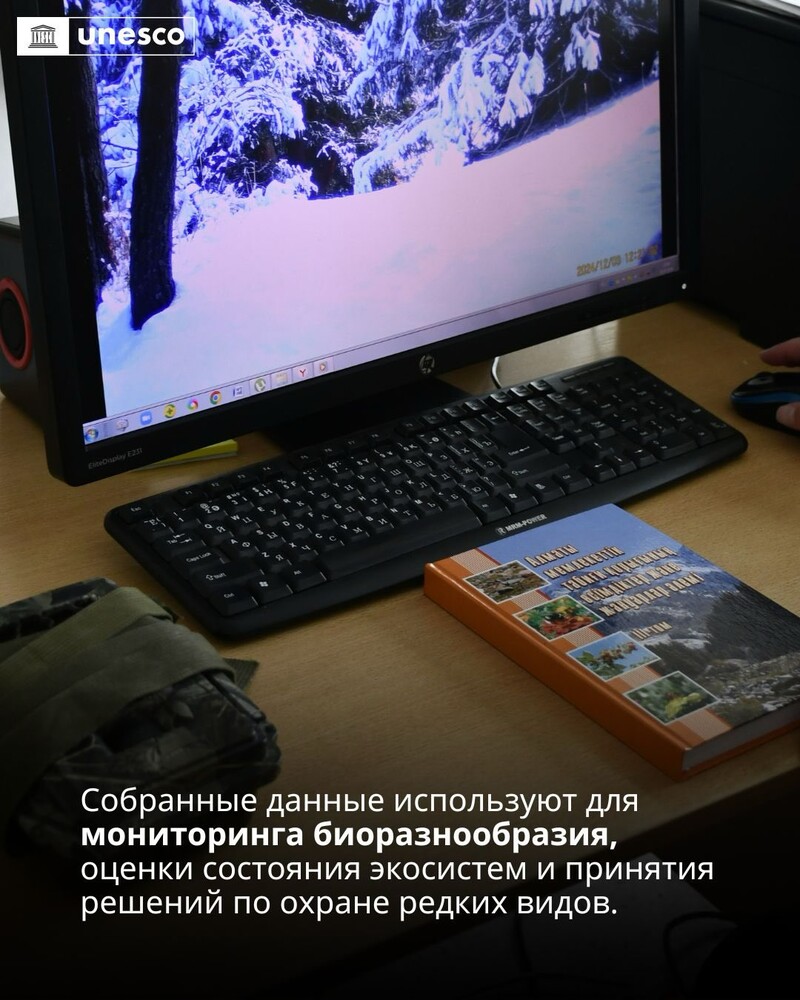
Camera traps are among the most effective tools for biodiversity monitoring. They help document the presence of wildlife, study animal behavior, track movement patterns, and assess the condition of ecosystems.
In UNESCO Biosphere Reserves, these cameras play a vital role in long-term ecological monitoring. The data they collect supports science-based decisions aimed at conserving rare species and protecting their habitats.
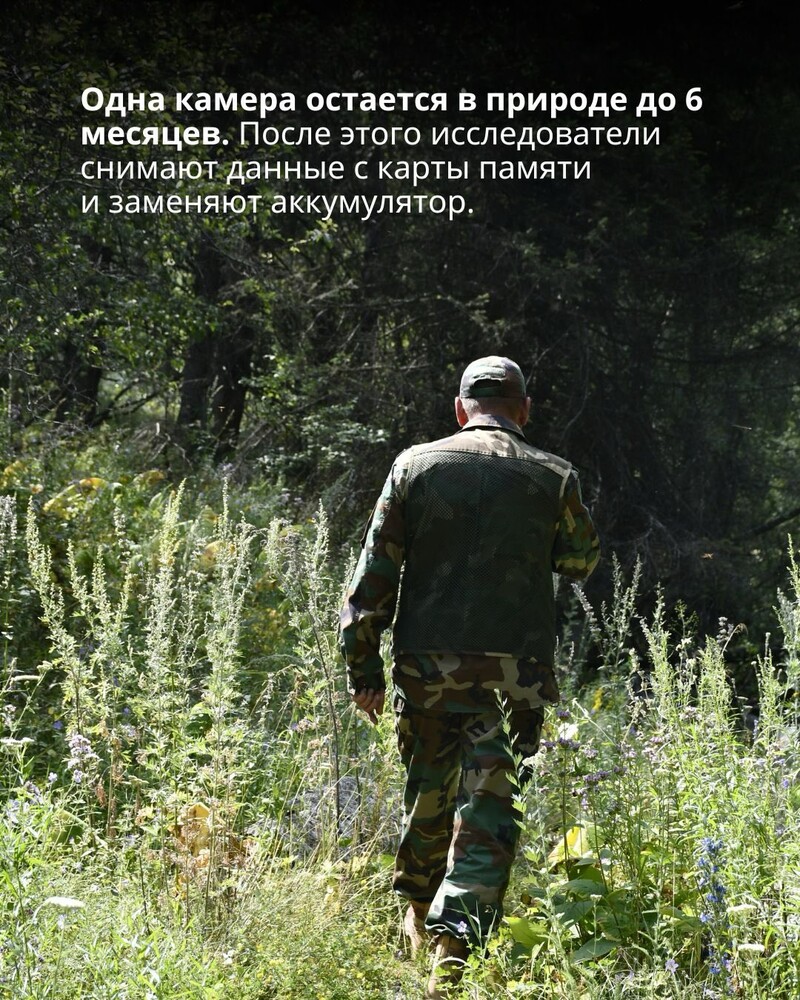
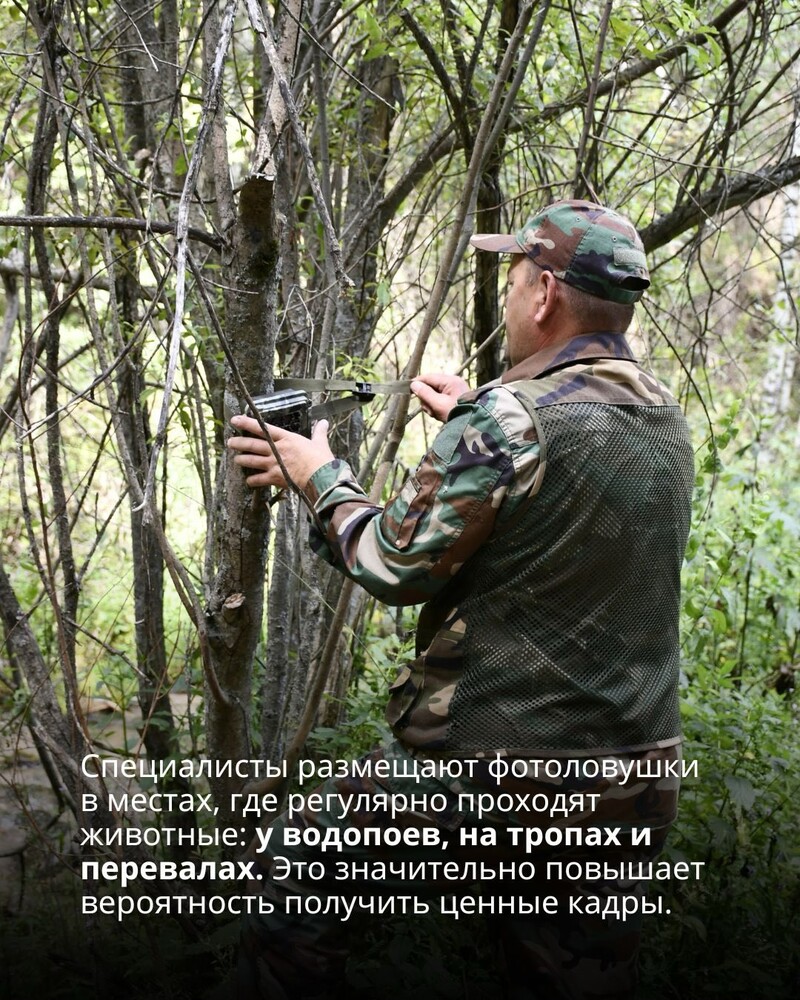
Swipe through the carousel to discover how camera traps work and why every image captured contributes to nature conservation.
The photos and videos featured in this post were recorded in the Almaty State Nature Reserve, which was designated as a UNESCO Biosphere Reserve in 2020.
 UNESCO/MAB
 Ministry of Ecology and Natural Resources of the Republic of Kazakhstan
 Committee for Forestry and Wildlife of the Ministry of Ecology and Natural Resources of the Republic of Kazakhstan